Color can completely transform a bedroom—but only when it’s done with intention. Too much, and the room feels busy. Too little, and it feels flat. The secret is finding that sweet spot where color adds energy, warmth, and personality without turning your space into visual noise.
This guide breaks it down into simple, doable steps so you can decorate with confidence and keep your bedroom feeling balanced, calm, and put together.
Start with a Calm Base Color
Every colorful bedroom needs a steady foundation. This base color keeps everything grounded and prevents the space from feeling chaotic.
Choose one dominant neutral or soft tone for:
- Walls
- Large furniture like the bed or dresser
- Flooring or rugs
Great base options include:
- Warm white
- Soft beige
- Light gray
- Muted greige
Once your base is set, color becomes an accent—not a takeover. This makes every additional hue feel intentional instead of overwhelming.
Pick a Limited Color Palette (and Stick to It)
The biggest cause of visual chaos is too many unrelated colors. Instead, limit your palette to 2–3 main colors, plus your neutral base.
A simple rule that works well:
- 1 main accent color
- 1 supporting color
- 1 neutral
For example:
- Soft green + warm tan + white
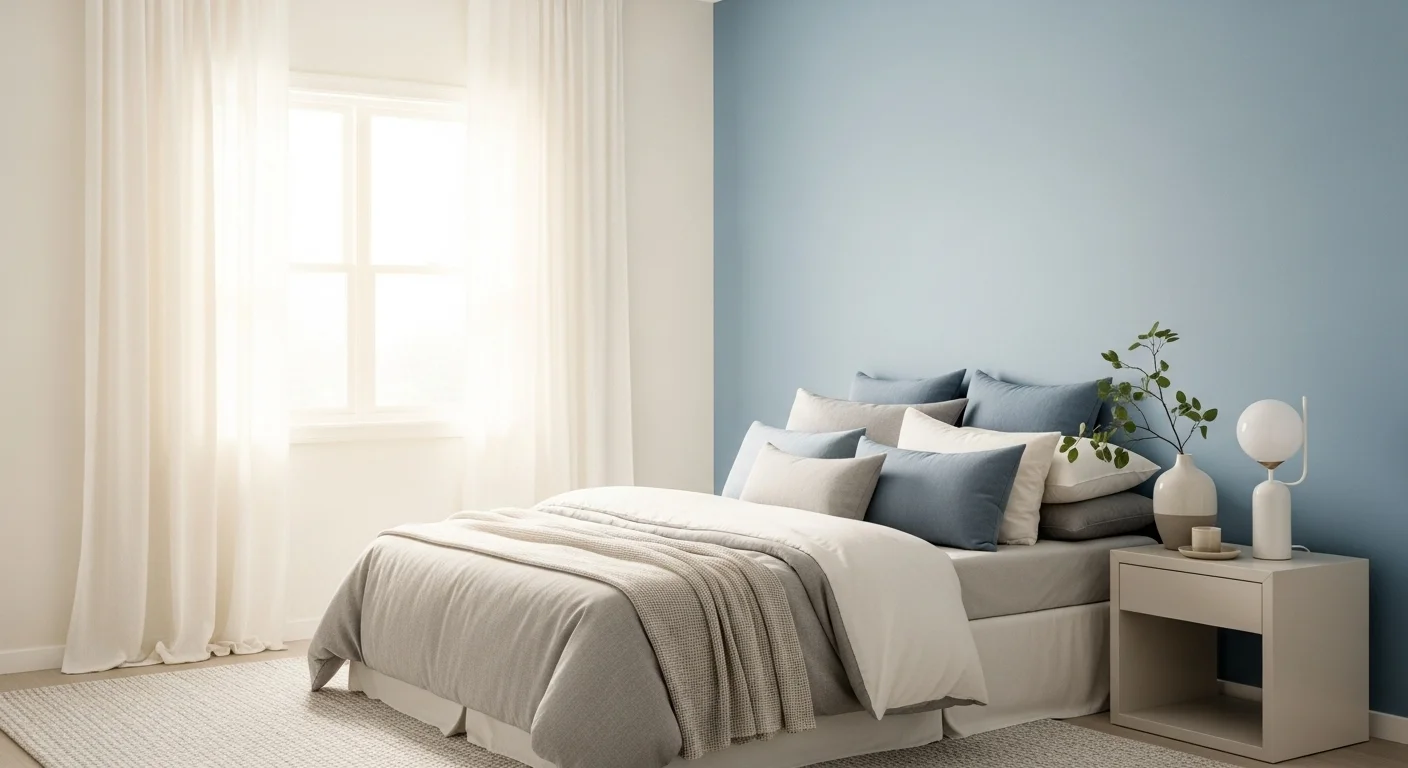
- Dusty blue + muted terracotta + cream
- Blush pink + charcoal + light gray
Repeat these colors in small ways throughout the room to create flow.
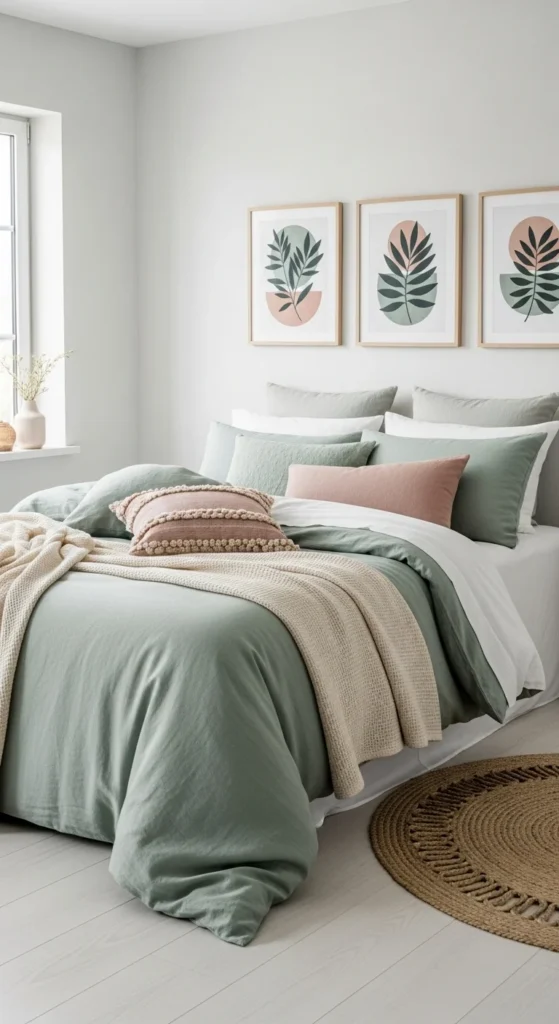
Use Color in Layers, Not Large Blocks
Instead of one big splash of color, layer it gradually. This keeps the room feeling curated rather than loud.
Easy ways to layer color:
- Throw pillows in varying shades
- A folded blanket at the foot of the bed
- Curtains that echo one accent color
- Lampshades or small decor pieces
Think of color as an accent that appears again and again, not something that dominates one surface.
Balance Bold Colors with Breathing Room
Bold colors can work beautifully in a bedroom—when they have space to breathe.
If you use a strong color:
- Pair it with plenty of neutral space
- Avoid repeating it too many times
- Keep surrounding decor simple
Good places for bold color:
- One accent wall
- Headboard upholstery
- Statement artwork
Avoid spreading bold colors across multiple walls or large furniture pieces at once.
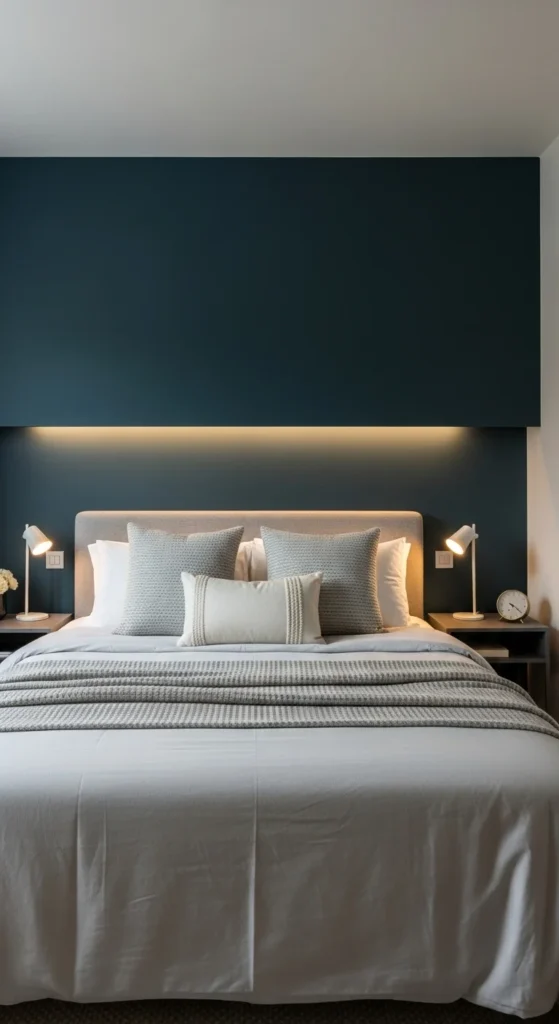
Let Texture Do Some of the Work
If you want more interest without adding more color, texture is your best friend.
Mix textures like:
- Linen bedding
- Knit throws
- Woven baskets
- Wooden furniture
- Soft rugs
Texture adds depth and warmth, making the room feel layered and cozy without increasing visual clutter.
This is especially helpful if you’re working with a limited color palette but still want the room to feel rich and inviting.
Keep Patterns Subtle and Coordinated
Patterns can add personality, but too many competing prints create chaos fast.
Stick to:
- One main pattern (like bedding or a rug)
- One or two very subtle supporting patterns
Tips for using patterns:
- Keep patterns in the same color family
- Mix scale (one large pattern, one small)
- Balance patterns with solid colors
If everything competes for attention, nothing feels calm.
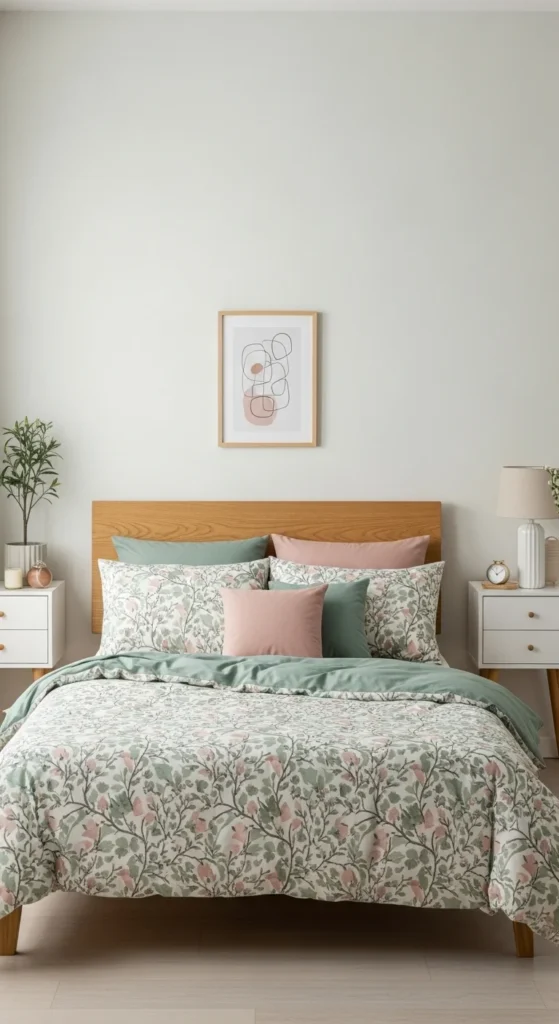
Edit Ruthlessly: Less Is More
Color looks better when it has room to shine. Too many decor items—even in matching colors—can still feel messy.
Do a quick edit:
- Remove anything that doesn’t match your palette
- Keep surfaces mostly clear
- Choose fewer, more meaningful decor pieces
A calm bedroom isn’t about having less style—it’s about having clearer focus.
Tie It All Together with Lighting
Lighting affects how color looks more than most people realize.
To keep colors soft and inviting:
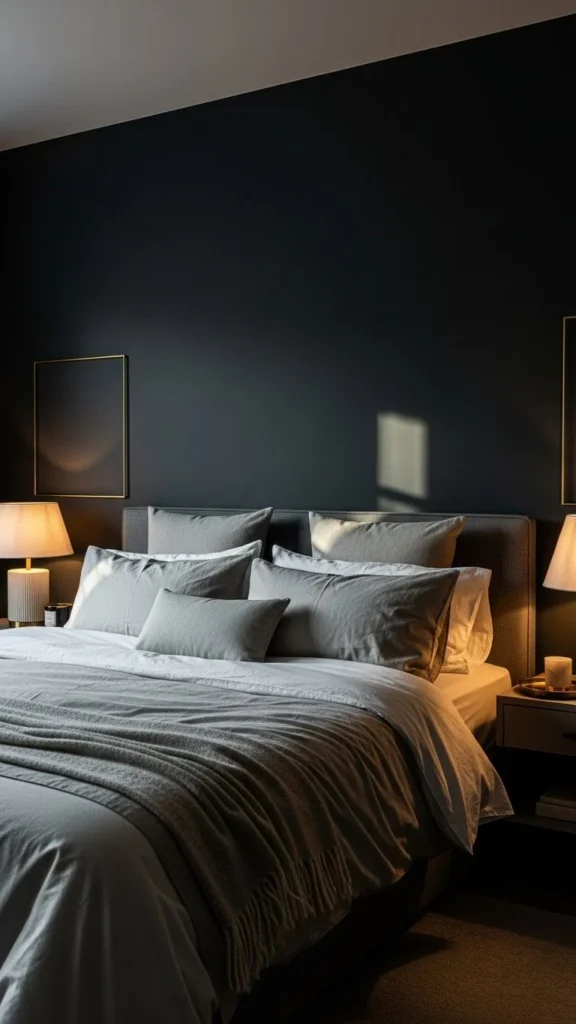
- Use warm bulbs
- Avoid harsh overhead lighting alone
- Add bedside lamps or wall sconces
Soft lighting helps bold colors feel cozy and muted colors feel richer.
Final Takeaway
Decorating a bedroom with color doesn’t have to feel risky. Start with a calm base, limit your palette, layer color slowly, and balance everything with texture and light. When every choice feels intentional, color becomes comforting—not chaotic.
Save this guide for later and come back whenever your bedroom needs a fresh, colorful reset.