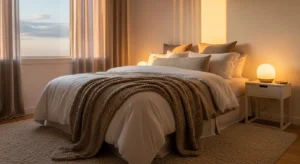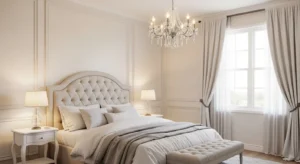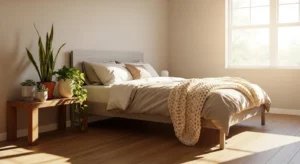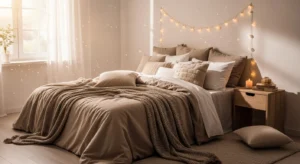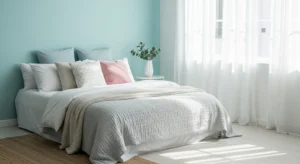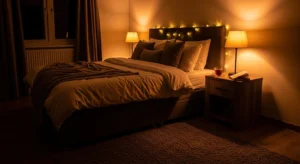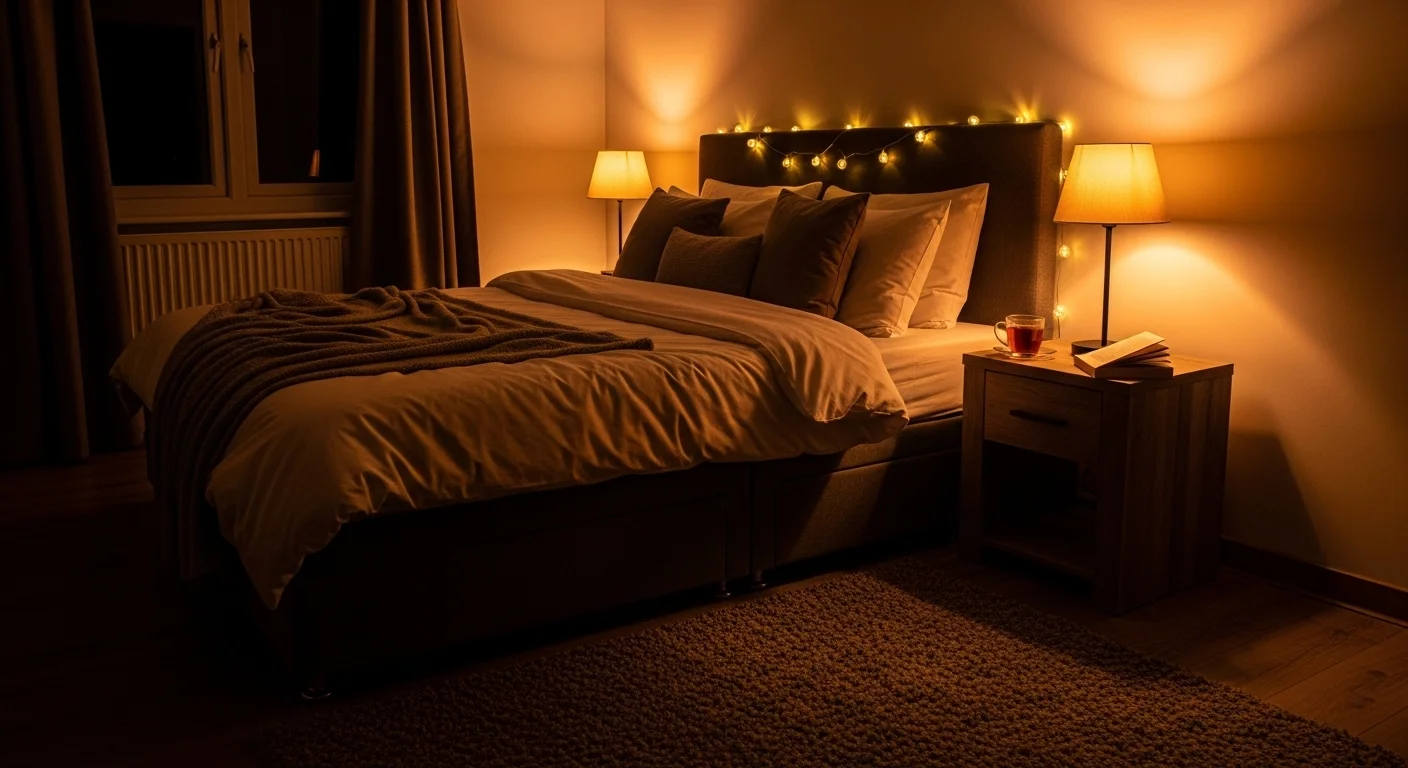
The fastest way to change how a bedroom feels isn’t new furniture or paint. It’s lighting. Soft glows, gentle shadows, and layered light sources can turn an ordinary room into a calm retreat or a cozy hideaway in one evening.
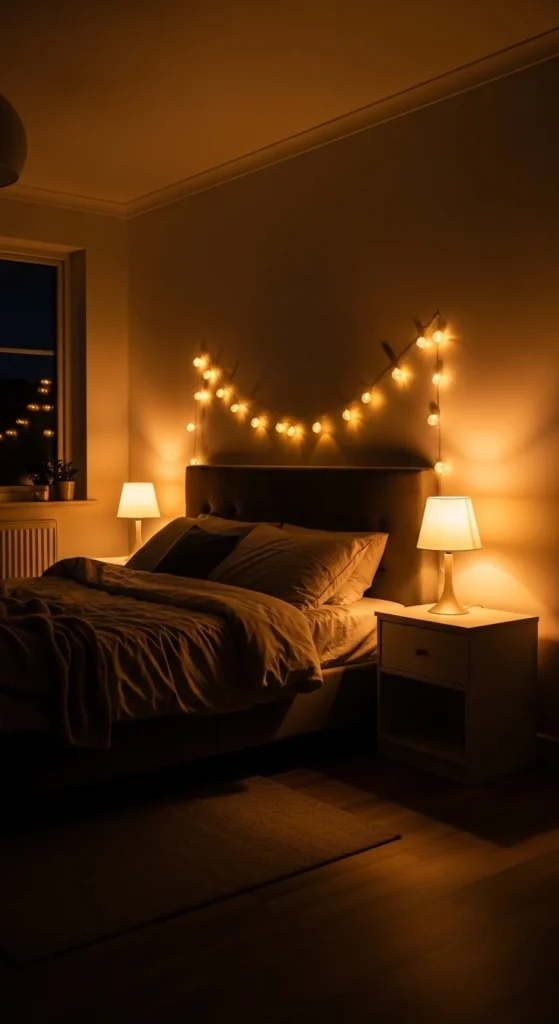
Mood lighting is all about intention. Instead of lighting everything evenly, you guide the eye and set a tone. Below is a step-by-step guide to decorating your bedroom with mood lighting that feels inviting, personal, and easy to live with.
Start with Ambient Lighting as Your Base
Ambient lighting is the foundation. It’s the general light that fills the room and sets the overall mood.
Instead of a single harsh ceiling light, aim for softer options:
- Warm-white bulbs (2700K–3000K)
- Lamps with fabric or frosted shades
- Light that bounces off walls rather than shining directly
Good ambient lighting should feel calm, not bright. If you already have a ceiling fixture, add a dimmer or use lower-watt bulbs to soften it.
Tip: Think “even glow,” not spotlight. The room should feel gently lit even before you add accents.
Layer in Task Lighting Where You Need It
Mood lighting doesn’t mean sacrificing function. Task lighting lets you read, relax, or get ready without breaking the cozy vibe.
Popular bedroom task lighting ideas:
- Bedside lamps for reading
- Adjustable wall sconces near the headboard
- Small desk lamps if you work from your bedroom
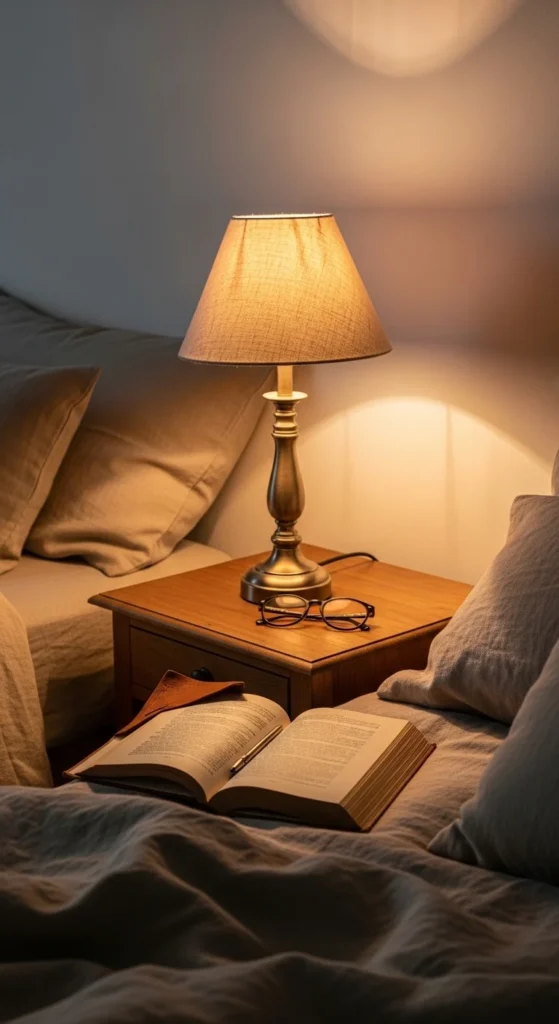
Choose fixtures that direct light downward or sideways. This keeps the rest of the room softly lit while giving you enough light exactly where you need it.
Pro tip: Matching bedside lamps create visual balance, especially in smaller rooms.
Use Accent Lighting to Create Mood
This is where the magic happens. Accent lighting adds depth, texture, and personality.
Easy ways to add accent lighting:
- String lights along a headboard or wall edge
- LED strips under the bed frame
- Small table lamps on dressers or shelves
- Soft uplighting behind plants or furniture
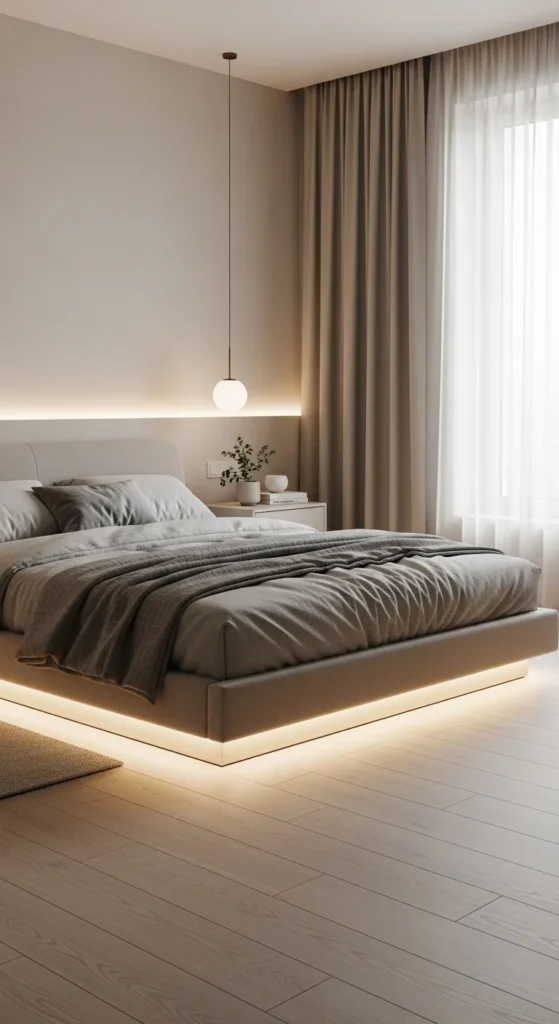
Accent lighting works best when it’s indirect. You want glow, not glare. Hiding the light source slightly makes the room feel more luxurious and calm.
Design tip: Use accent lights to highlight zones—the bed, a reading corner, or a favorite decor piece.
Choose Warm Colors for a Relaxing Effect
Color temperature matters more than most people realize. Cool light feels energizing, while warm light feels restful.
For bedrooms, stick to:
- Warm white bulbs
- Soft amber tones
- Gentle golden glows
Avoid mixing too many color temperatures in one room. Consistency keeps the space calm and visually cohesive.
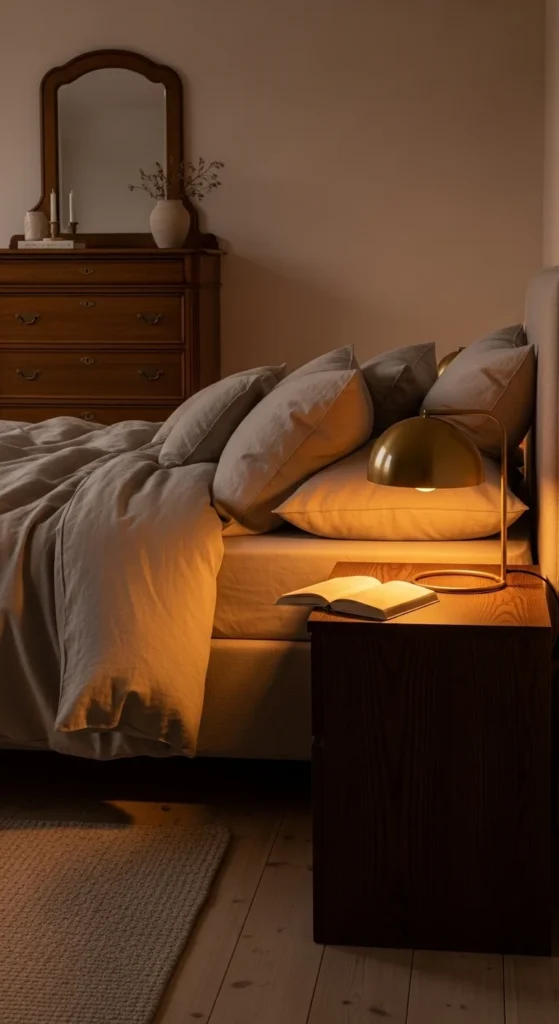
If you enjoy color, use it sparingly. A soft pink, muted purple, or warm orange accent light can add personality without overwhelming the room.
Add Dimmer Controls for Flexibility
Mood lighting should adapt to your day, not lock you into one setting.
Dimmers allow you to:
- Brighten the room in the morning
- Lower light levels at night
- Instantly change the mood without rearranging anything
You can add dimmers through:
- Wall dimmer switches
- Plug-in dimmer cords
- Smart bulbs with app control
This single upgrade can dramatically improve how your bedroom feels at different times of day.
Think About Shadows and Reflection
Mood lighting isn’t just about light—it’s also about shadow.
Ways to create depth:
- Use lampshades with texture
- Place lights near curtains or plants
- Bounce light off mirrors or light-colored walls
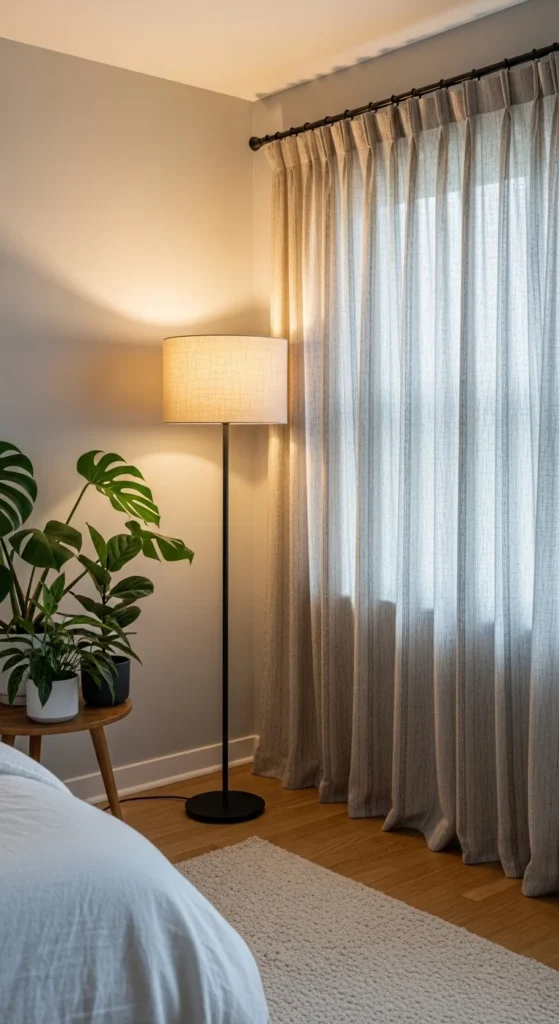
Soft shadows add warmth and make the room feel layered instead of flat. Mirrors can gently reflect light and make small bedrooms feel larger without adding brightness.
Keep It Simple and Intentional
Too many lights can ruin the mood. Aim for balance.
A good rule of thumb:
- 1 ambient source
- 2 task lights
- 2–3 accent lights
Turn off anything you don’t need. Let your lighting guide how the room feels rather than overpowering it.
Final Takeaway
Mood lighting turns a bedroom into a space you actually want to unwind in. By layering light, choosing warm tones, and focusing on softness over brightness, you create a room that feels calm every time you walk in.
Start small. Add one lamp or accent light tonight and notice the difference.
Save this guide for later and try one lighting upgrade this week. Your bedroom will thank you.