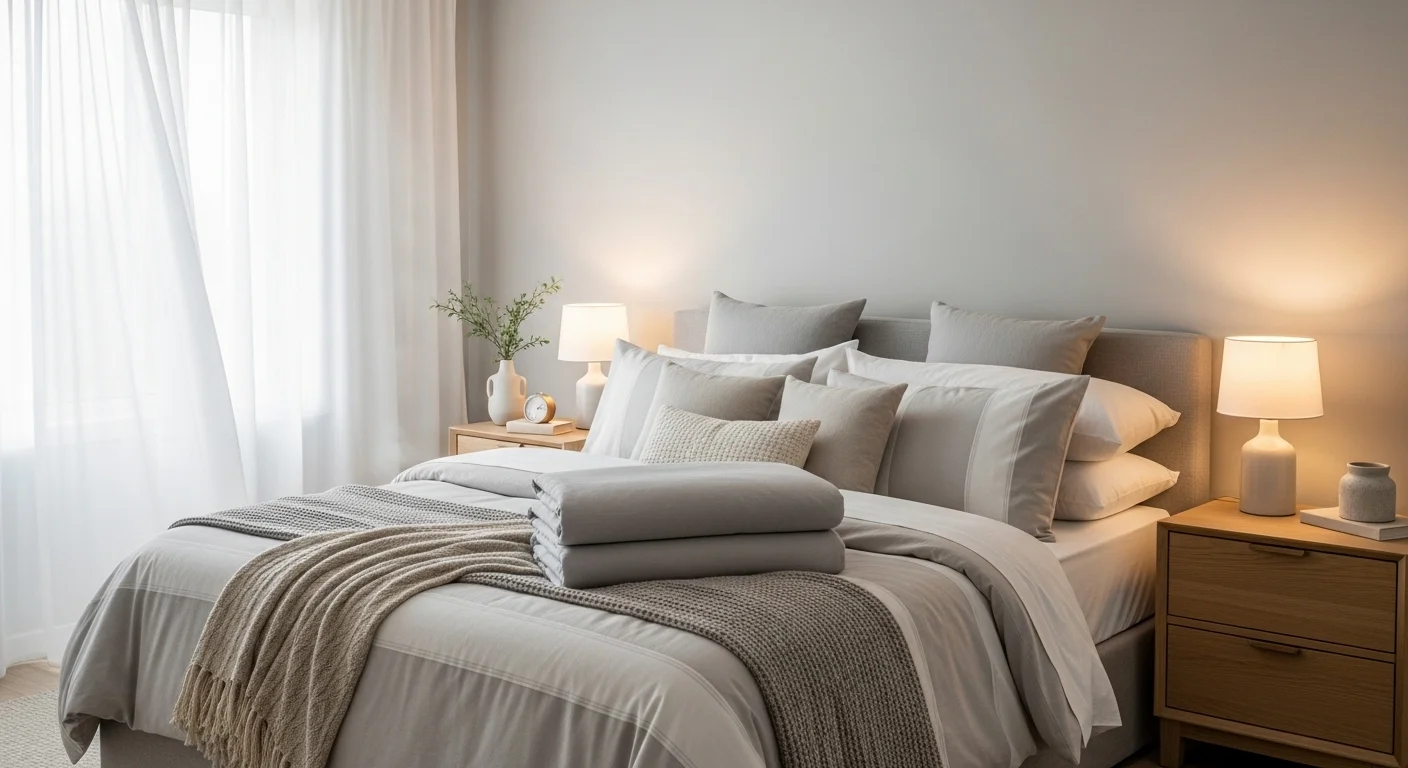
Sleep isn’t just about a good mattress—it’s about the entire mood of your bedroom. The colors you see, the lighting you use, and even what’s on your nightstand can quietly help (or hurt) your ability to wind down. The good news? A few thoughtful decorating choices can turn your bedroom into a calm, sleep-friendly retreat without a full makeover.
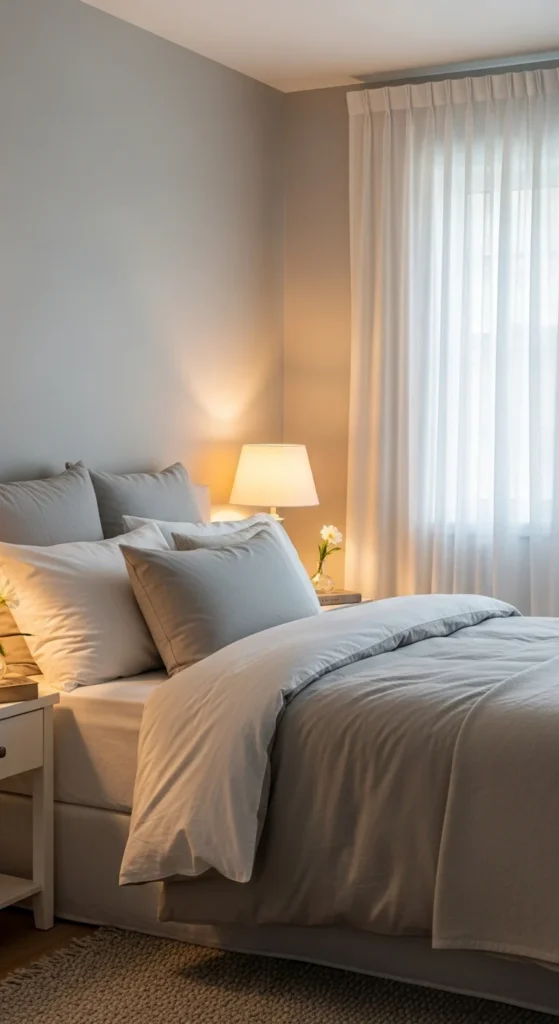
Below are practical, Pinterest-friendly ideas to help you decorate your bedroom for deeper, more restful sleep.
Choose Calm, Restful Colors
Color has a powerful effect on your nervous system. Bright, high-contrast shades can feel energizing, which is great for living rooms—but not ideal for sleep.
For a soothing bedroom palette, lean toward:
- Soft neutrals like warm beige, ivory, or greige
- Muted blues and gentle greens
- Pale blush or clay tones for warmth without stimulation
If repainting isn’t an option, you can still bring calm through:
- Bedding in soft, solid colors
- Curtains in light, airy fabrics
- Neutral rugs that visually soften the floor
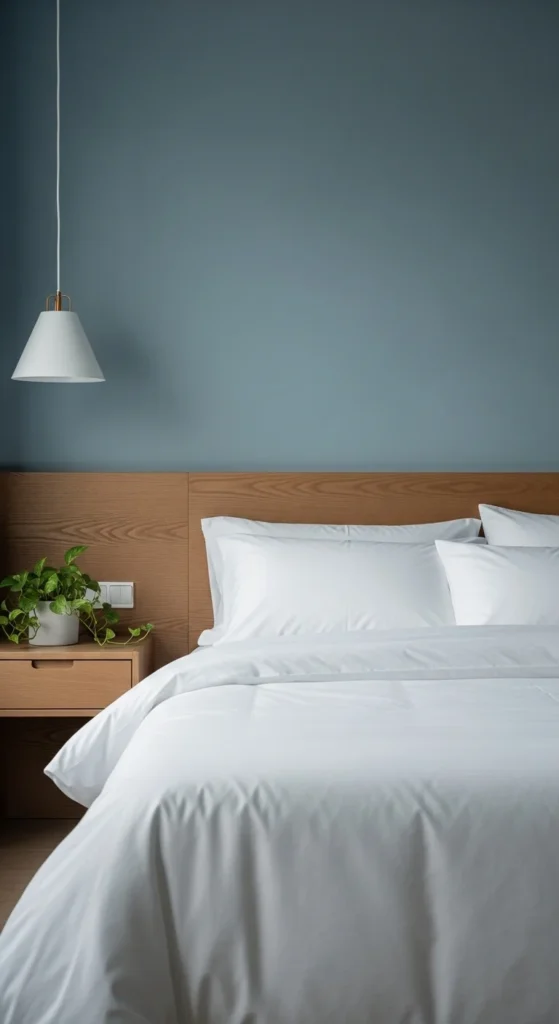
Layer Lighting for Evening Wind-Down
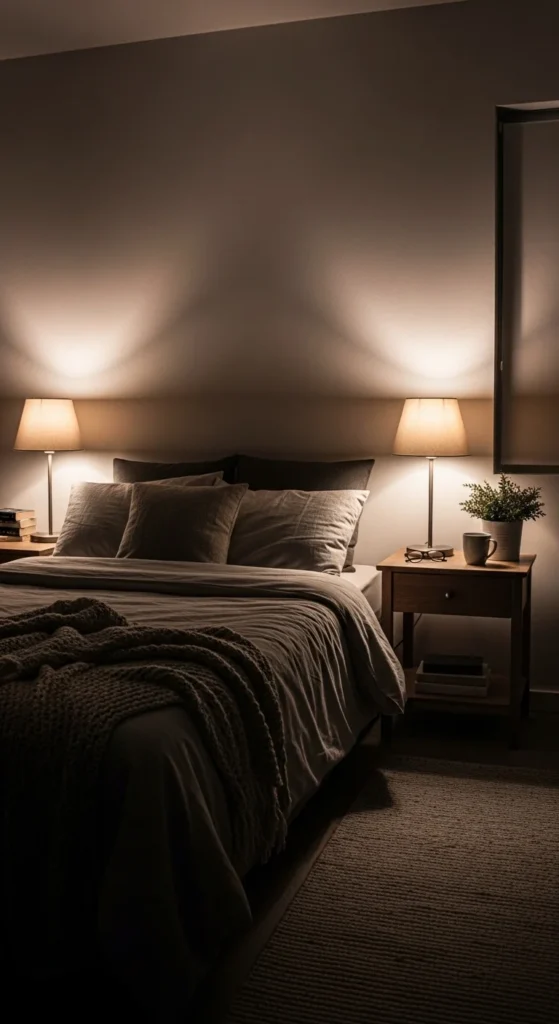
Overhead lights can feel harsh at night, especially when you’re trying to relax. Instead of relying on one bright source, aim for layered lighting that mimics a gentle sunset effect.
Sleep-friendly lighting ideas include:
- Warm-toned bedside lamps instead of ceiling lights
- Wall sconces that cast a soft glow
- Small accent lamps on dressers or shelves
Avoid cool or ultra-bright bulbs. Warm light signals your body that it’s time to slow down.
Simplify and Declutter the Space
Visual clutter equals mental clutter. If your bedroom doubles as storage, office space, or a catch-all zone, your brain may stay alert longer than you want.
To create a calmer sleep environment:
- Clear off nightstands so only essentials remain
- Store extra items in baskets or drawers
- Keep surfaces mostly open and airy
You don’t need a minimalist room—just intentional placement. Everything should feel like it belongs there for rest.
Upgrade Bedding for Comfort and Texture
Your bed is the star of the room, so give it some love. Comfort matters, but so does texture. Soft, breathable fabrics help regulate temperature and feel inviting at the end of the day.
Consider:
- Natural-fiber sheets that feel cool and smooth
- Layered blankets for adjustable warmth
- Pillows that support your sleeping position
Even simple upgrades, like switching pillow covers or adding a lightweight throw, can make your bed feel more sleep-ready.

Add Soft Textures That Absorb Sound
Sound can quietly disrupt sleep, even if you don’t fully wake up. Soft furnishings help absorb noise and make the room feel more enclosed and peaceful.
Easy ways to soften your space:
- Area rugs or runners beside the bed
- Upholstered headboards
- Fabric wall decor or curtains
These elements also add warmth and coziness, making your bedroom feel like a true retreat.
Style Nightstands With Sleep in Mind
Nightstands are often overlooked, but they’re right where your eyes land before sleep. Keep them simple and soothing.
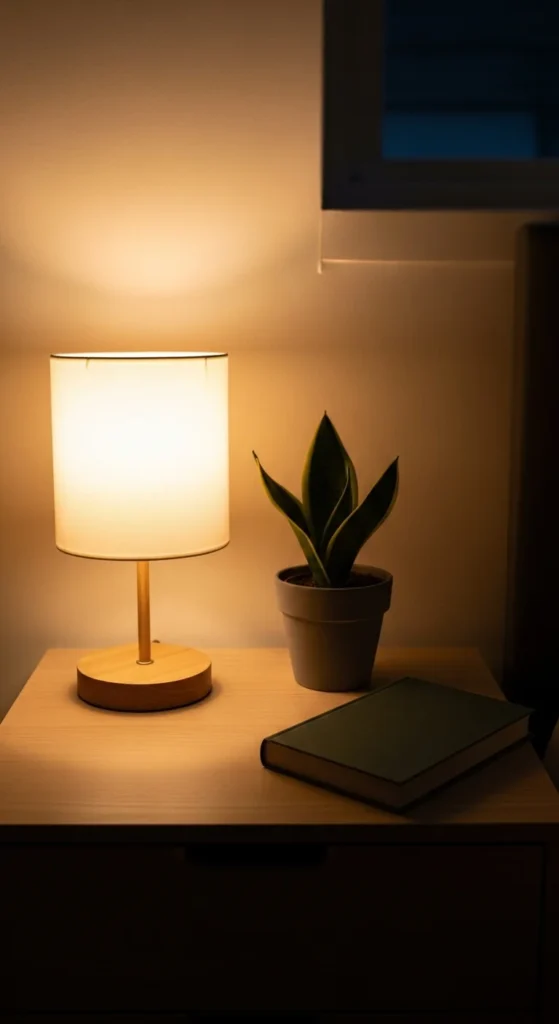
A calm nightstand setup might include:
- A small lamp with warm light
- One decorative object, like a ceramic vase
- A book or journal
Avoid piling on items that feel busy or distracting. Less visual noise equals easier relaxation.
Bring in Nature for a Calming Effect
Natural elements help create a grounded, peaceful atmosphere. You don’t need much—just a few subtle touches can make a difference.
Try adding:
- A small indoor plant
- Wooden furniture or decor accents
- Linen or cotton textiles
These materials soften the space and help it feel balanced and welcoming.
Create a Consistent Sleep Atmosphere
Consistency matters. When your bedroom always feels calm, your body learns to associate the space with rest.
To maintain that feeling:
- Keep decor changes minimal
- Use the same lighting routine each night
- Avoid bringing stimulating activities into bed
Over time, these visual cues help signal that it’s time to relax and sleep.
Final Takeaway
Decorating for better sleep doesn’t require a total redesign—just thoughtful choices that support calm, comfort, and simplicity. Start with color, soften the lighting, clear the clutter, and build a space that gently invites rest.
Save this guide for later and come back whenever your bedroom needs a sleep-friendly refresh.