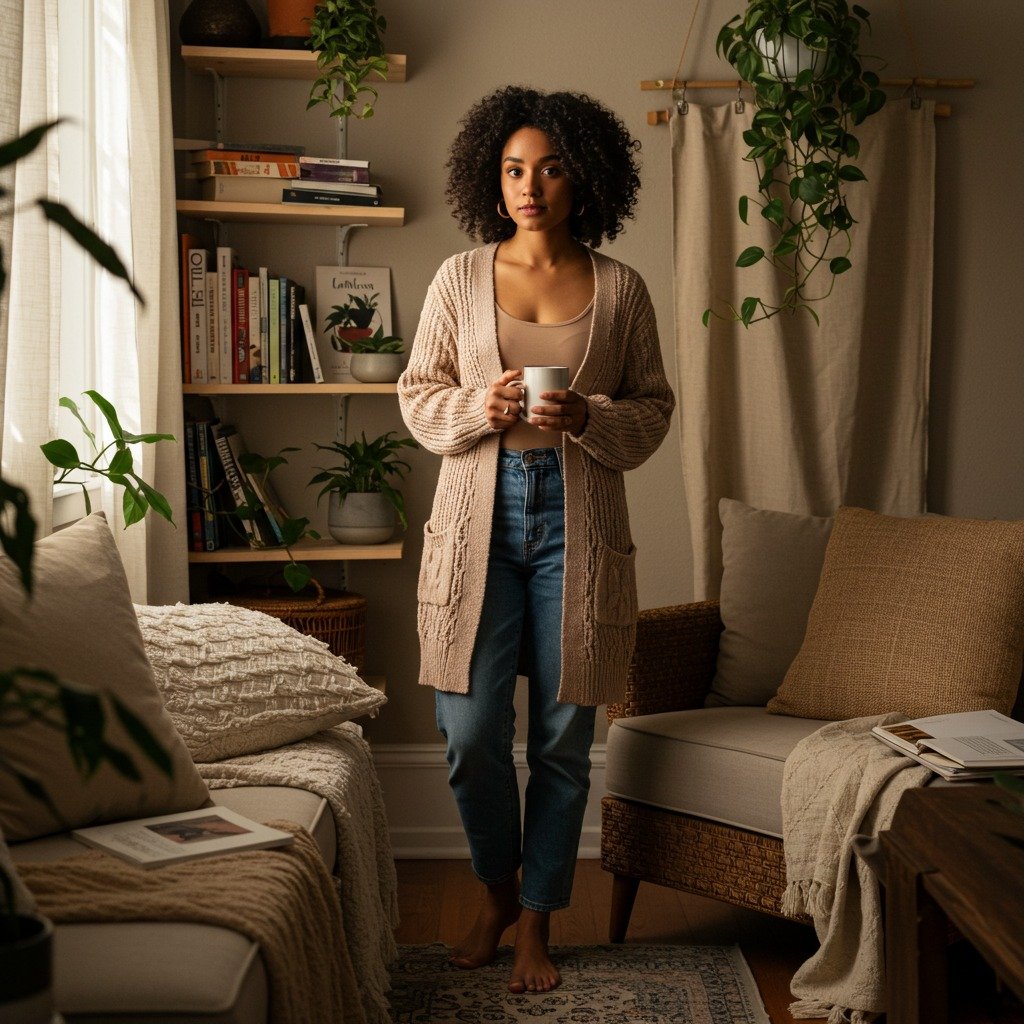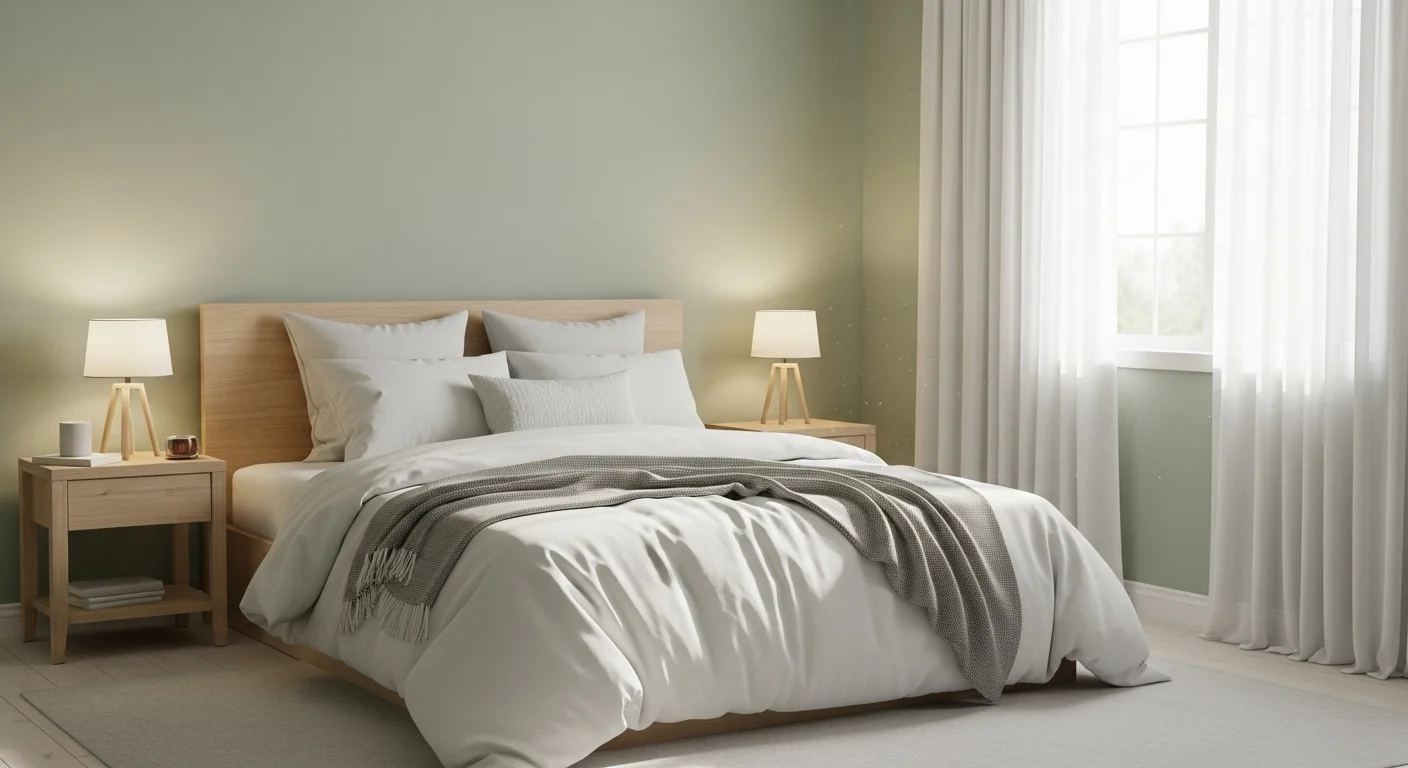
The fastest way to make a bedroom feel like a true retreat isn’t buying new furniture—it’s choosing the right colors. Calming hues can instantly soften the space, quiet visual noise, and help your mind slow down at the end of the day. Whether you’re dealing with a tiny apartment bedroom or a spacious primary suite, the right palette makes all the difference.
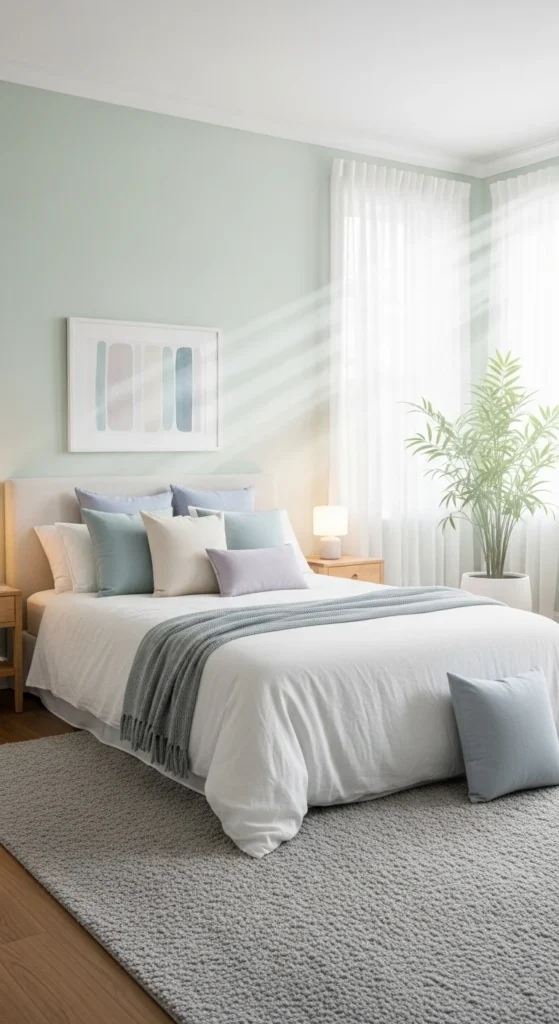
Below, you’ll find practical, Pinterest-friendly tips for decorating your bedroom with calming colors that actually work in real homes.
Choose a Soft, Relaxing Color Palette
Before you pick up a paintbrush or start shopping, decide on a calming color family. These shades tend to feel restful without looking dull:
- Soft neutrals like warm white, ivory, or light beige
- Muted blues inspired by the sky or water
- Gentle greens that echo nature
- Dusty lavender or blush tones for subtle warmth
Stick to one main color, one supporting neutral, and one accent shade. This keeps the room balanced instead of visually busy.
A simple formula:
- Walls: main calming color
- Bedding and curtains: neutral
- Pillows or decor: accent shade
Use Wall Color to Set the Mood
Walls take up the most visual space, so they set the emotional tone of the bedroom. Soft, low-contrast colors work best for relaxation.
- Pale blue feels cool and peaceful
- Sage green feels grounding and cozy
- Warm off-white feels clean without being stark
If painting the entire room feels overwhelming, try:
- A single accent wall behind the bed
- Soft color on the lower half of the wall
- Peel-and-stick wallpaper in muted tones
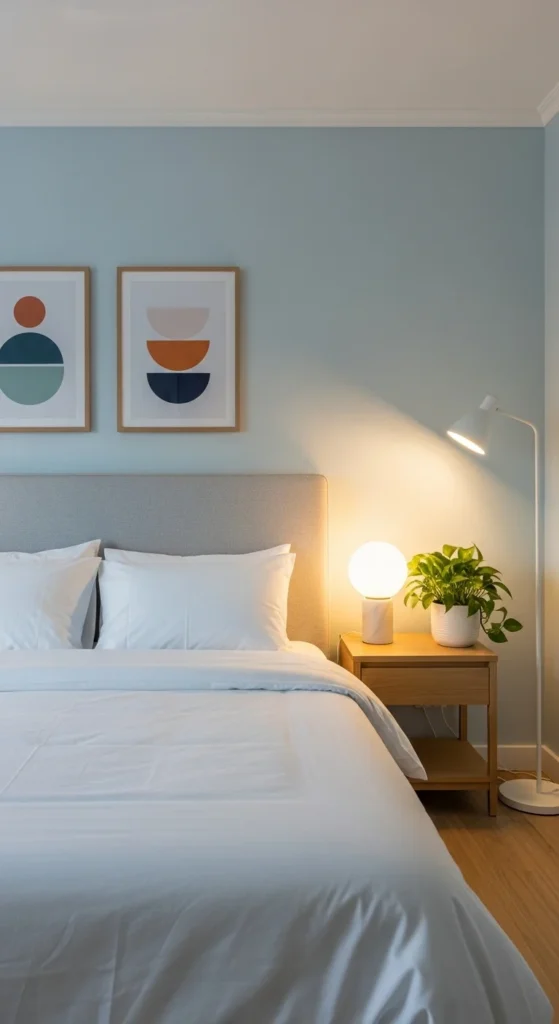
Layer Bedding in Calm, Coordinated Shades
Your bed is the visual centerpiece, so calming colors here matter a lot. Instead of high-contrast patterns, focus on soft layers.
Try this easy bedding formula:
- Solid or lightly textured duvet in a neutral tone
- Sheets in a complementary calming color
- Two to three pillows in slightly varied shades
Mixing tones within the same color family adds depth without chaos. For example, pair light gray sheets with creamy white pillows and a soft beige throw.

Balance Color with Natural Materials
Calming colors shine when paired with natural textures. Wood, linen, cotton, and woven accents help soften the look and prevent the room from feeling flat.
Easy ways to do this:
- Light wood nightstands or bed frames
- Linen curtains in neutral shades
- Woven baskets for storage
- Ceramic lamps with simple shapes
These materials visually ground the space and make gentle colors feel warm instead of cold.
Keep Decor Simple and Color-Coordinated
Too many colors or bold accessories can cancel out a calming palette. When choosing decor, think “soft and intentional.”
Focus on:
- Artwork with muted tones
- Decorative pillows that match your palette
- Minimal tabletop decor
Limit strong contrast. If your room is mostly light, skip very dark or neon items. Everything doesn’t need to match exactly—but it should feel related.
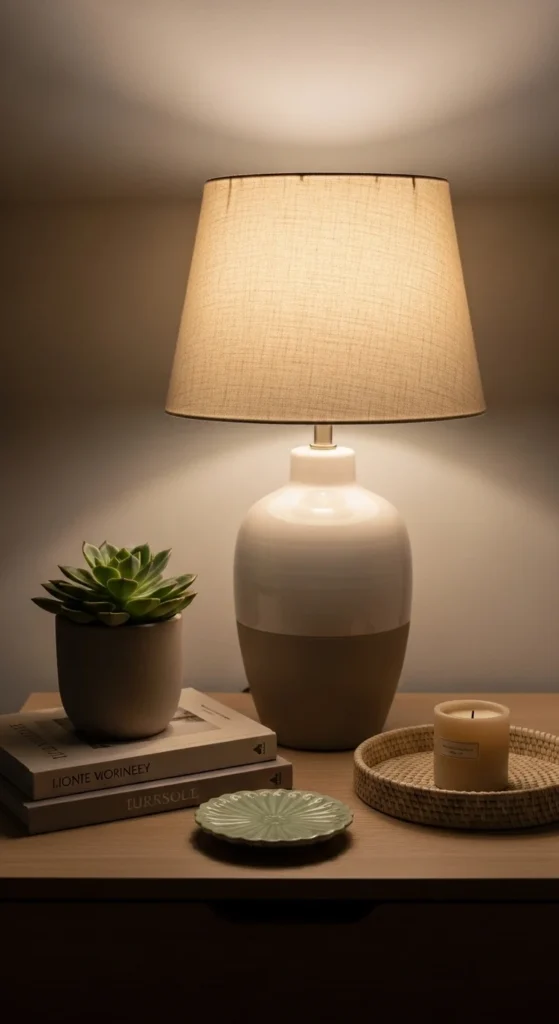
Use Lighting to Enhance Calm Colors
Lighting can completely change how color feels. Even the most soothing shade can look harsh under the wrong light.
For a calmer bedroom:
- Choose warm, soft bulbs
- Use bedside lamps instead of bright overhead lights
- Add subtle accent lighting for evenings
Layering light sources helps your calming colors stay cozy at night while still looking fresh during the day.
Add Gentle Color Through Small Details
If you’re not ready to commit to painted walls, start small. Accessories are an easy way to test calming colors without pressure.
Try:
- Soft curtains in a muted shade
- A cozy throw at the foot of the bed
- Neutral area rugs with subtle patterns
These touches slowly build a peaceful atmosphere without a full makeover.
Final Thoughts: Create a Space That Lets You Exhale
Decorating a bedroom with calming colors isn’t about following strict rules—it’s about creating a space where your mind can finally slow down. Soft hues, natural textures, and thoughtful layering work together to make your bedroom feel like a true retreat.
Start with one calming color you love, build around it gently, and let the room evolve over time.
Save this guide for later and come back whenever your bedroom needs a calmer reset.