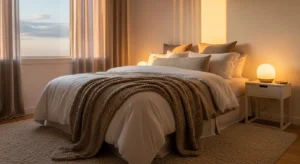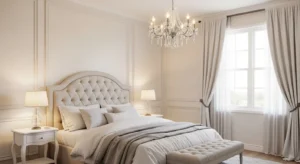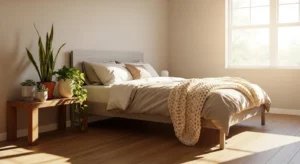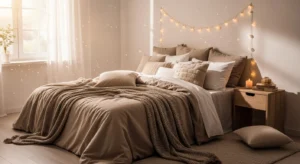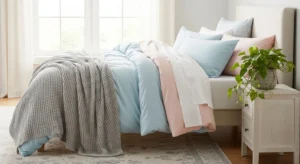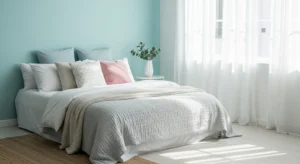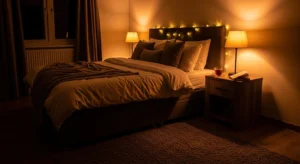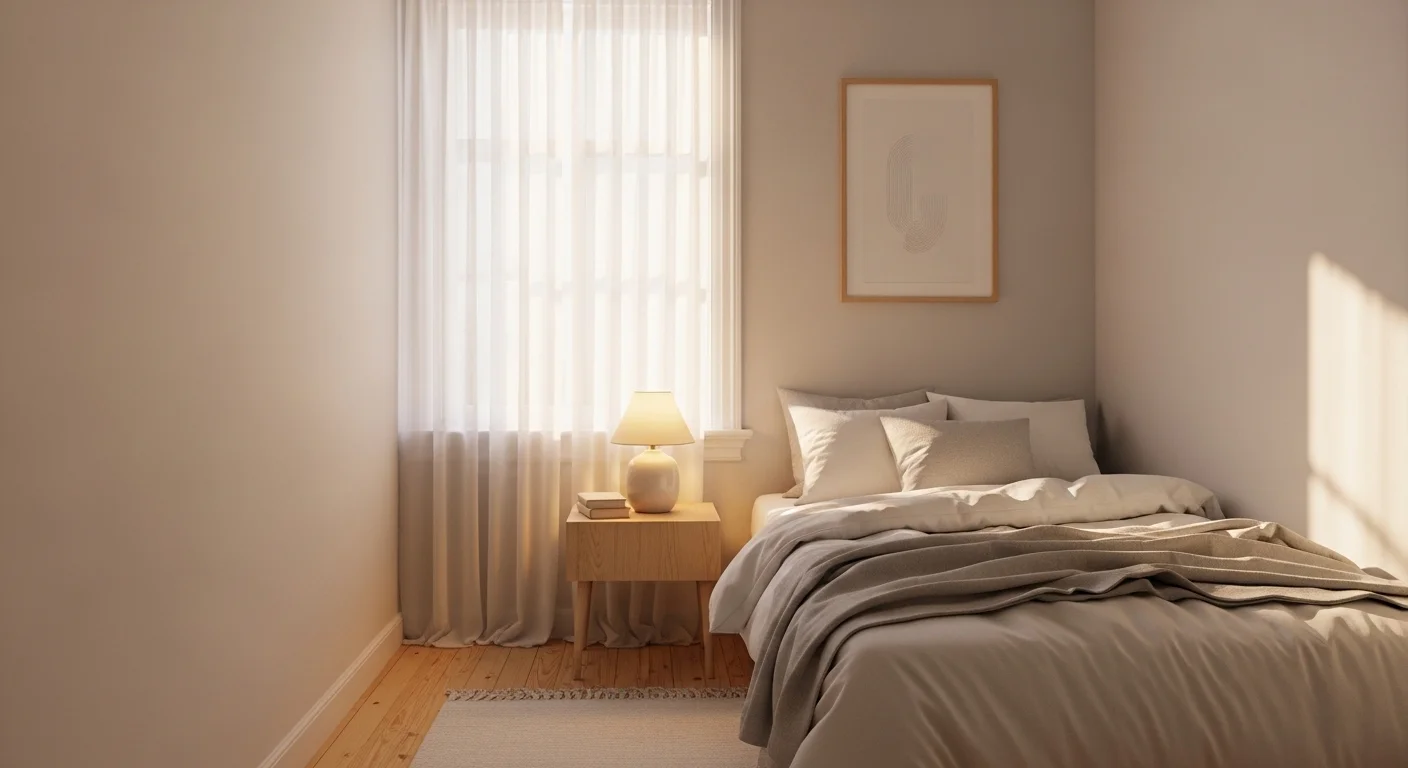
Decorating a small bedroom can feel like solving a puzzle with too many pieces—but when you get it right, the payoff is huge. A thoughtfully designed compact bedroom can feel calm, stylish, and surprisingly spacious. The secret isn’t owning less; it’s using what you have more intelligently. From layout tricks to visual illusions designers swear by, this guide breaks down how to make every square foot work harder (and look better doing it).
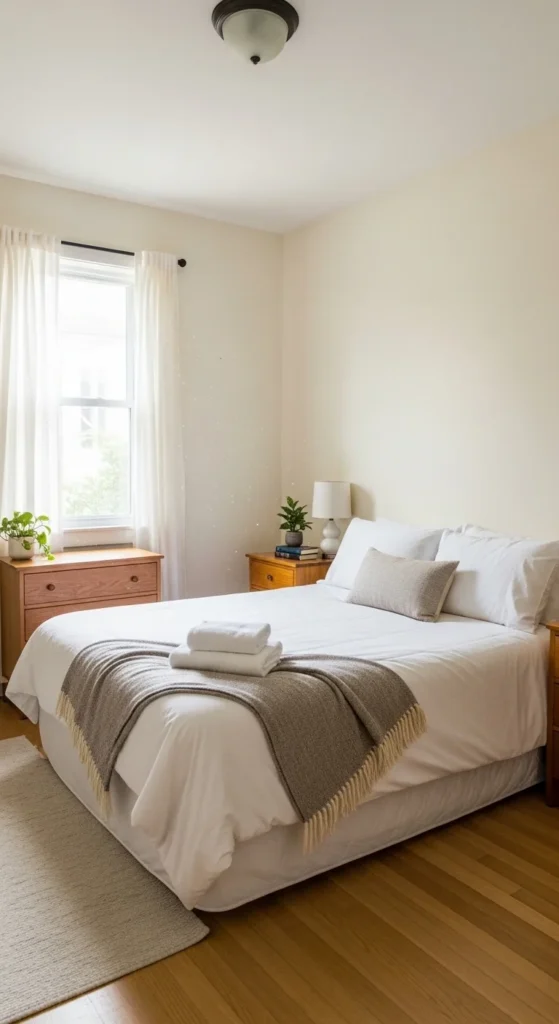
Start With a Smart Layout (Before Buying Anything)
Before adding décor, take a hard look at how your bedroom functions day to day. Efficient decorating starts with layout, not accessories.
Key layout principles for small bedrooms:
- Keep clear walking paths (especially around the bed).
- Push large furniture flush against walls.
- Avoid blocking windows with tall pieces.
- Choose symmetry only when it helps balance—not crowd—the room.
If possible, place the bed so it’s visible when you enter the room. This creates visual order and prevents the space from feeling cramped or chaotic. Even a few inches of reclaimed floor space can dramatically improve flow.
Choose Furniture That Works Overtime
In a small bedroom, every item should earn its place. Multi-functional furniture is your best friend.
High-impact, space-saving choices:
- Storage beds with drawers or lift-up bases
- Narrow nightstands with shelves instead of bulky cabinets
- Wall-mounted sconces to replace table lamps
- Slim dressers that are tall rather than wide
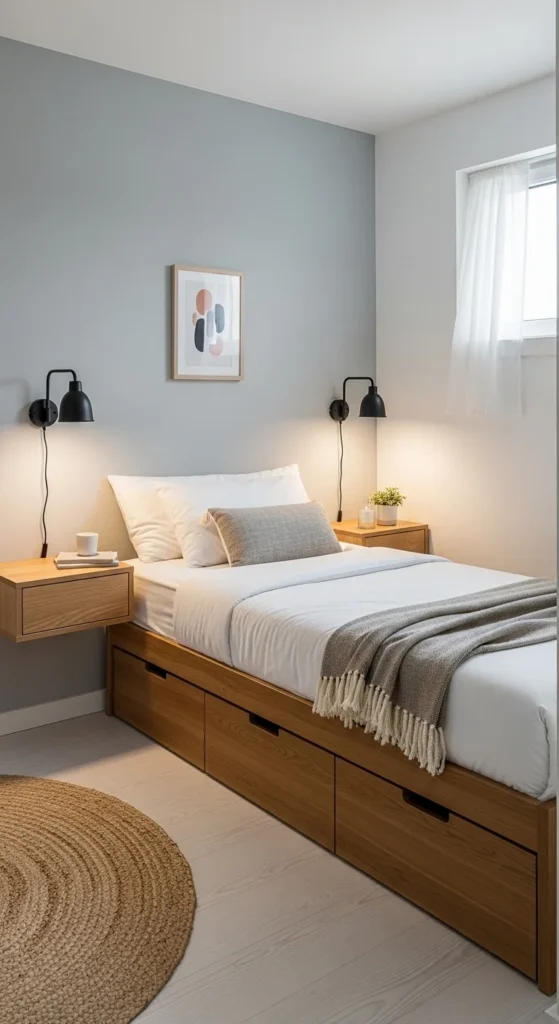
Design research consistently shows that vertical furniture helps rooms feel larger by keeping the floor visually open. When less furniture touches the ground, the space feels lighter and more breathable.
Use Color and Light to Visually Expand the Room
Color isn’t just decorative—it’s psychological. Lighter tones reflect more light, which makes small spaces feel open and airy.
Designer-approved color strategies:
- Soft neutrals like warm white, beige, or light gray
- Pastels or muted earth tones for subtle personality
- Monochromatic schemes to reduce visual clutter
Natural light matters just as much. Skip heavy curtains and opt for sheer panels or light-filtering blinds.
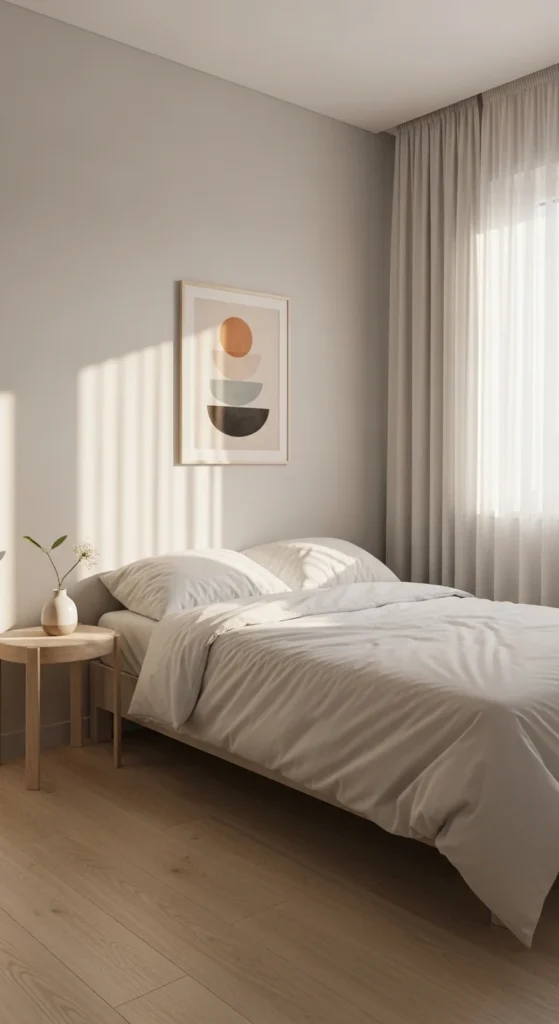
Mirrors are another powerful tool. Placing a mirror opposite a window doubles the light effect and visually pushes walls outward—an old interior design trick that still works beautifully.
Maximize Vertical Space (Walls Are Untapped Gold)
When floor space is limited, walls become prime real estate. Vertical storage draws the eye upward and keeps surfaces clear.
Efficient vertical solutions include:
- Floating shelves above the bed or desk
- Wall-mounted hooks for bags or accessories
- Peg rails or slim wall organizers
- Tall wardrobes with clean lines
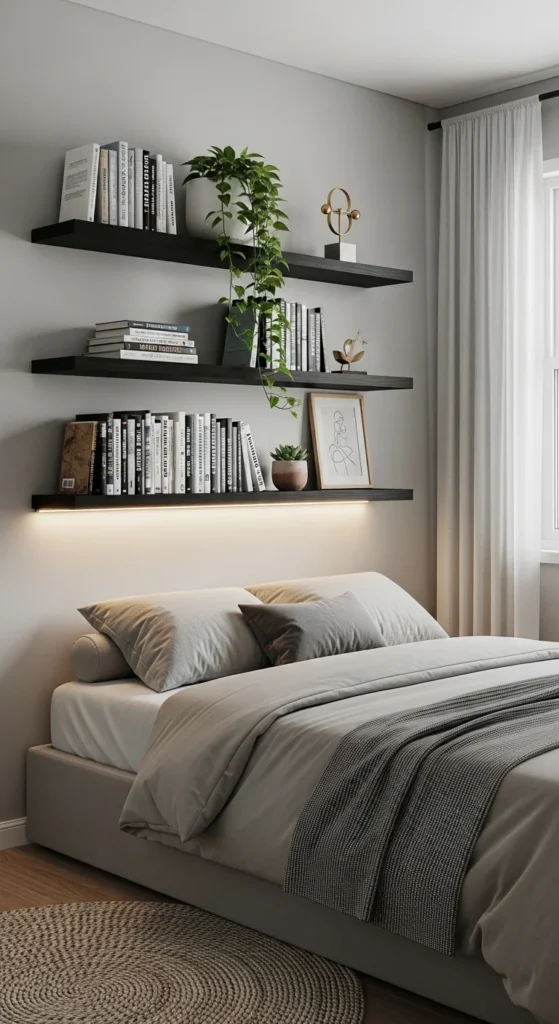
Interior studies show that rooms with well-used vertical space feel more intentional and less cluttered. The key is restraint—style shelves simply to avoid visual overload.
Style With Intention, Not Excess
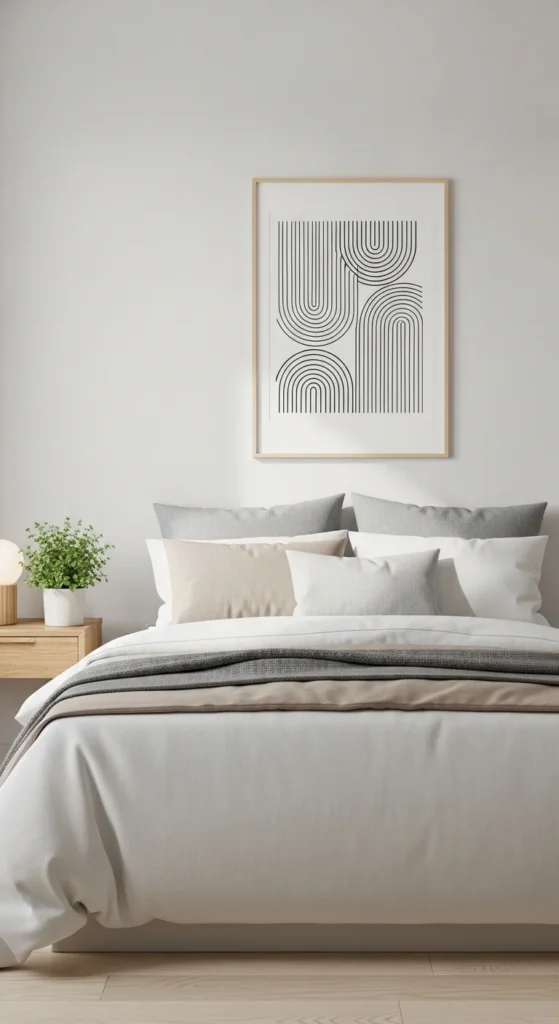
Decorating efficiently doesn’t mean decorating less—it means decorating smarter. Accessories should enhance function or calm, not compete for attention.
Stick to these styling rules:
- Limit decorative items to a few cohesive pieces
- Use soft textures (throws, pillows, rugs) for warmth
- Keep surfaces mostly clear
- Choose décor with personal meaning
A single framed print or a small plant can have more impact than a crowded gallery wall in a tight space.
Keep Storage Invisible and Organized
Clutter is the fastest way to make a small bedroom feel smaller. Efficient décor relies on hidden or streamlined storage.
Smart storage ideas:
- Under-bed bins with uniform covers
- Drawer dividers for clothing
- Storage ottomans at the foot of the bed
- Baskets that slide neatly into shelves
Research on spatial perception shows that visual calm directly affects how large a room feels. Fewer visible items = more mental and visual space.
Final Thoughts: Small Can Still Feel Special
Decorating a small bedroom efficiently isn’t about compromise—it’s about clarity. When every choice has a purpose, the room feels intentional, peaceful, and surprisingly luxurious. Focus on layout first, invest in multi-use furniture, lean into light and vertical space, and edit your décor with confidence.
Save this guide for later and come back whenever your bedroom needs a refresh—small changes can make a big difference.